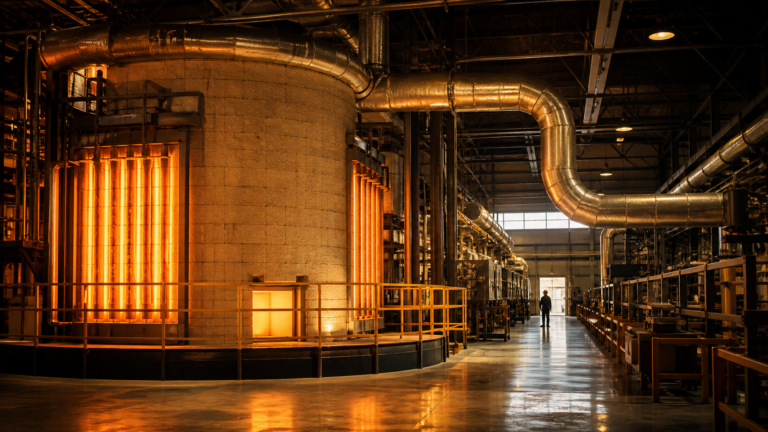
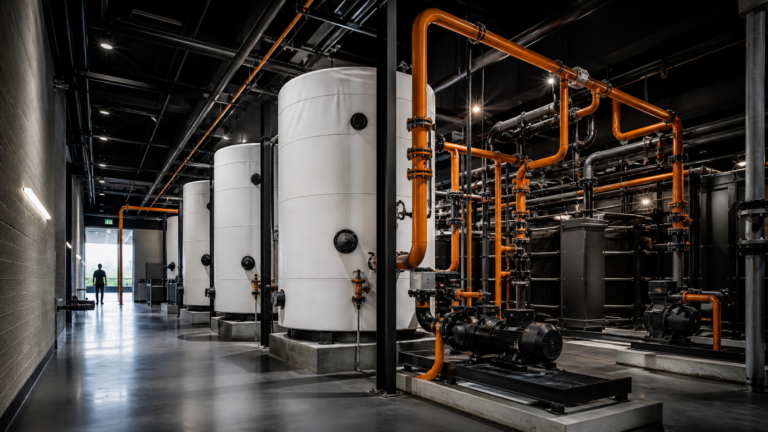
The EU sees more than 2,000 TWh of technical industrial-electrification potential by 2040. Thermal storage can separate the time electricity is bought from the time process heat is used.
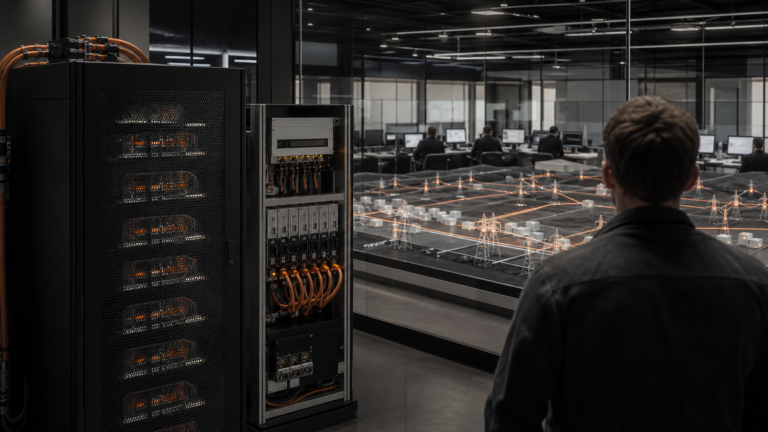
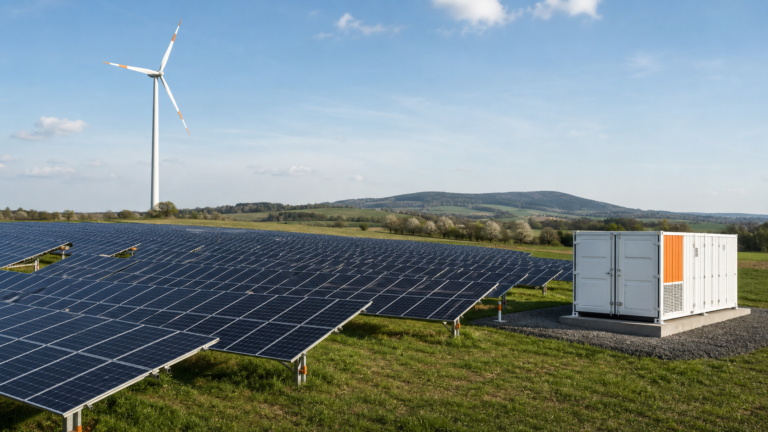
Connection queues now affect at least 16 EU countries. Flexible agreements, hybrid systems and storage can help projects use existing grid capacity while reinforcement catches up.
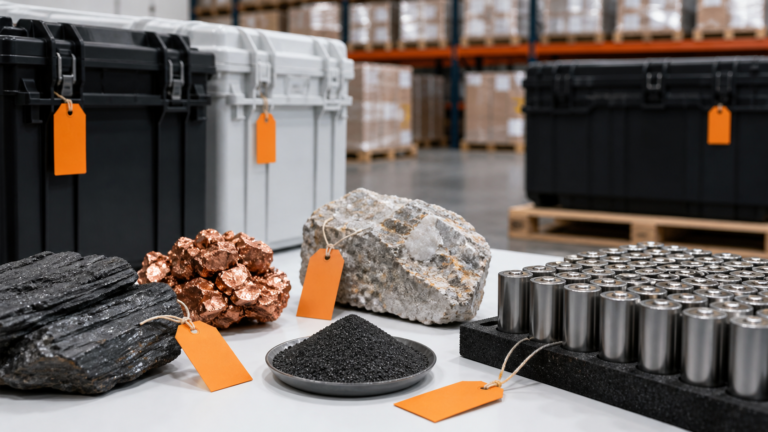
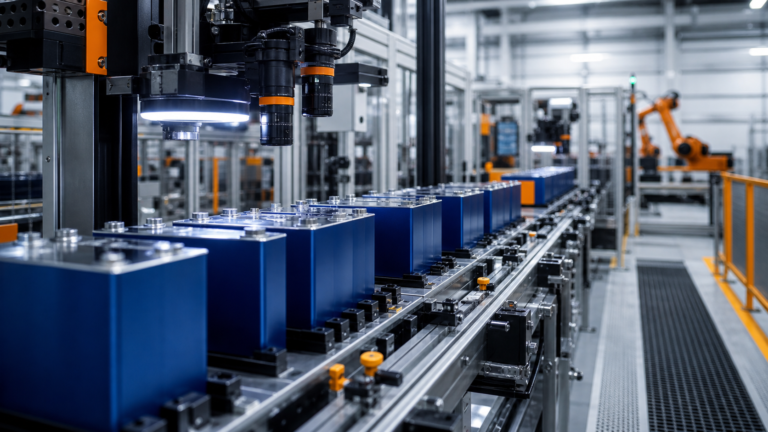
Global battery demand grew by more than a third in 2025. Behind expanding storage choice sits a concentrated minerals and refining chain that buyers and installers cannot ignore.
Governments, finance, manufacturers, developers and energy users have agreed to accelerate storage deployment toward the capacity Europe expects to need by 2030.
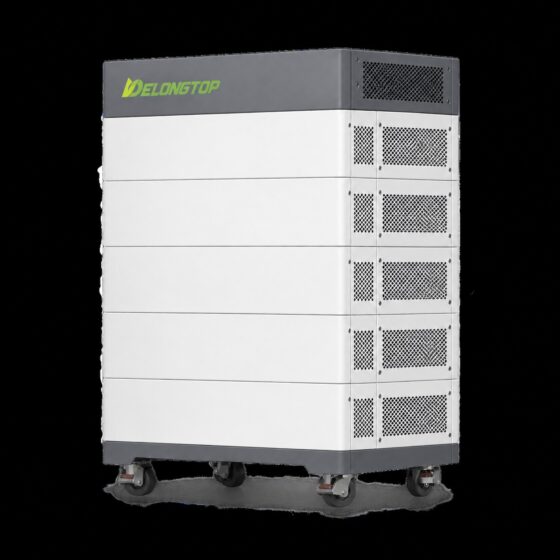
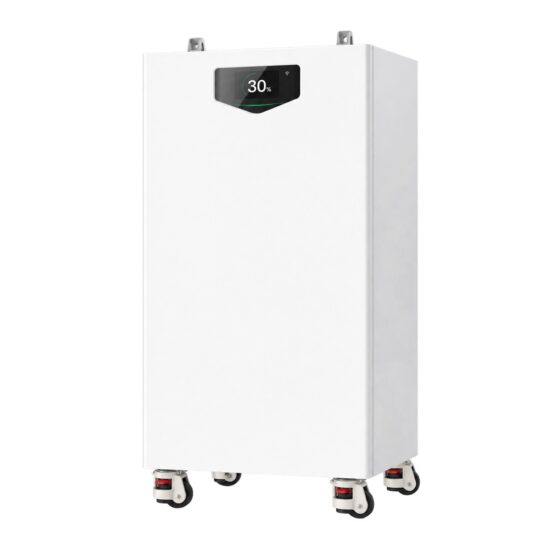
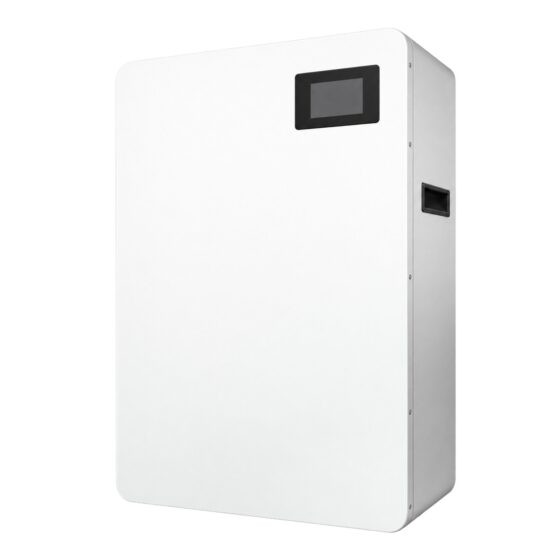
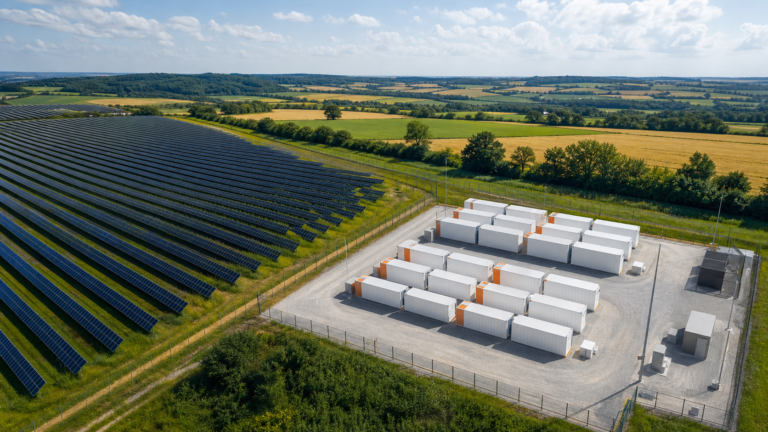
Installed storage capacity across Europe passed 100 GW. For buyers, capacity is only the first number: power, compatibility, usable energy and control matter too.
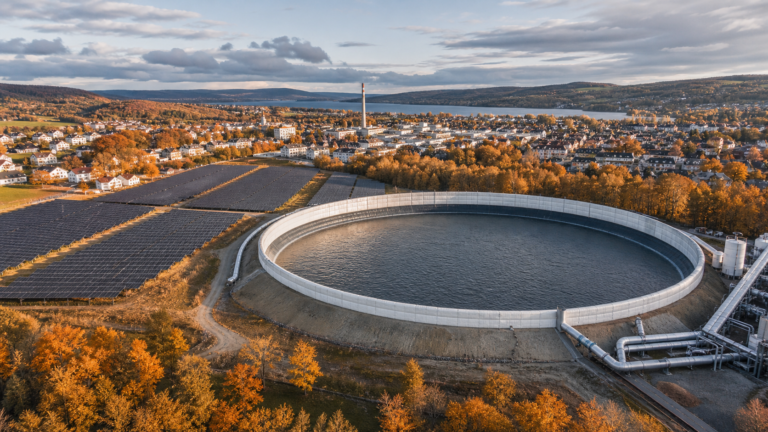
Thermal storage can shift heat for hours, days or entire seasons. New district-energy guidance shows why storage is becoming the bridge between varied heat sources and changing demand.
Thermal storage can shift electricity use into favourable periods, supply later heat and preserve electrochemical battery capacity for loads that must remain electrical.
The EU summer outlook links rapid solar growth with a doubling of installed battery capacity and a growing need for flexible electrical and thermal loads.
Global battery deployment accelerated again in 2025, while lithium iron phosphate became the dominant stationary chemistry. Here is what the shift means when comparing a real storage system.