




Popis
Elektrická akumulační kamna · nabíjení 7–8 hodin · přídavné topení 750 W
Vysoká zásoba tepla pro krátké tarifní okno nebo přebytky FVE
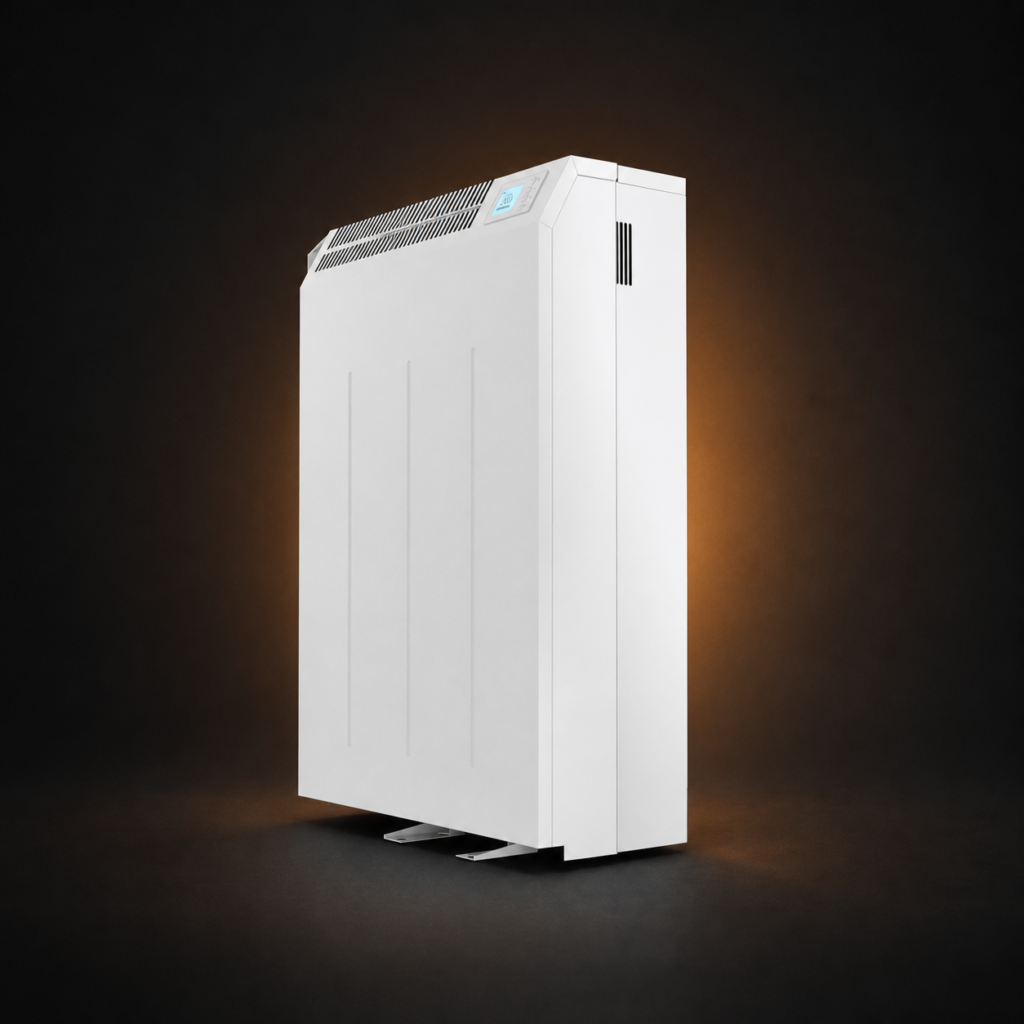
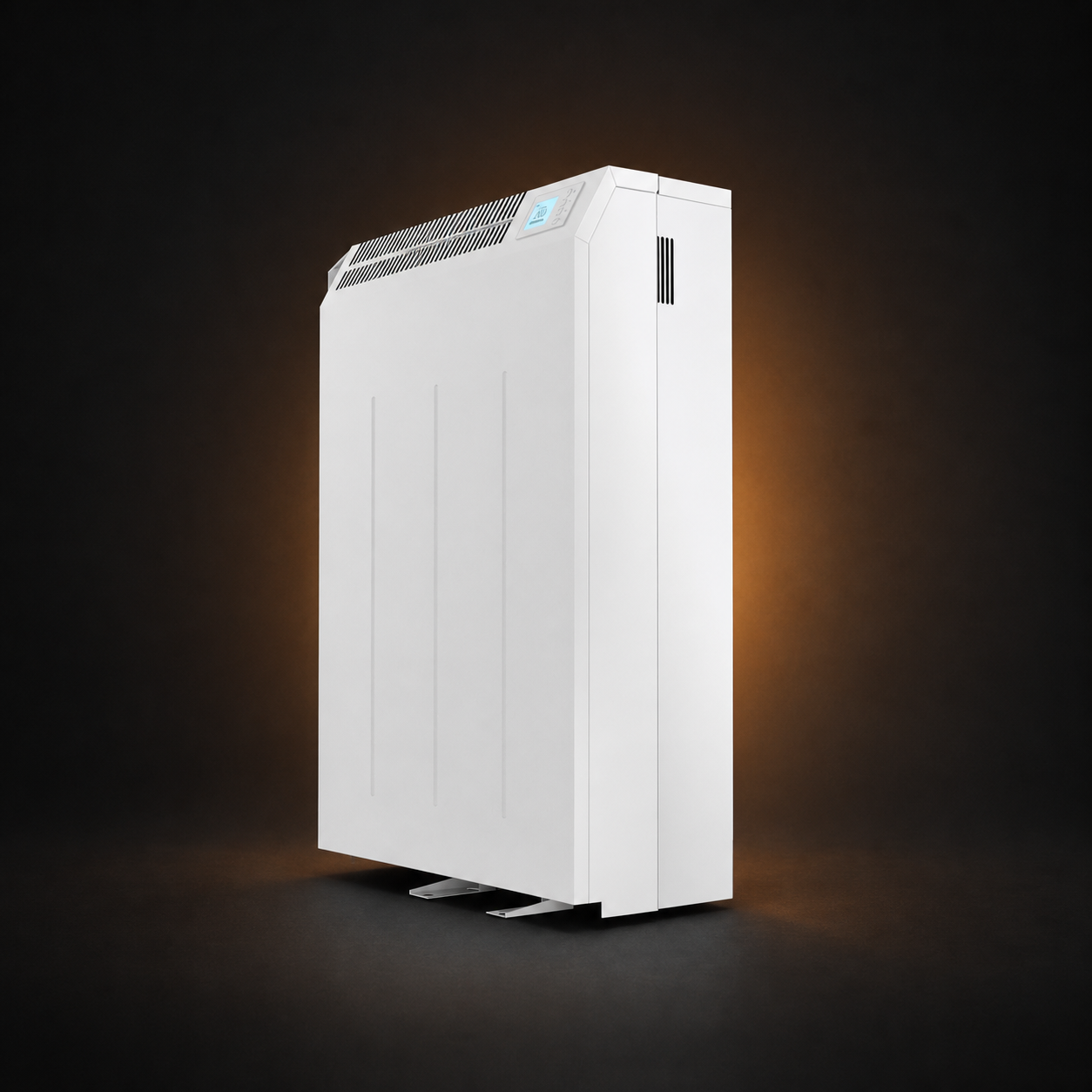
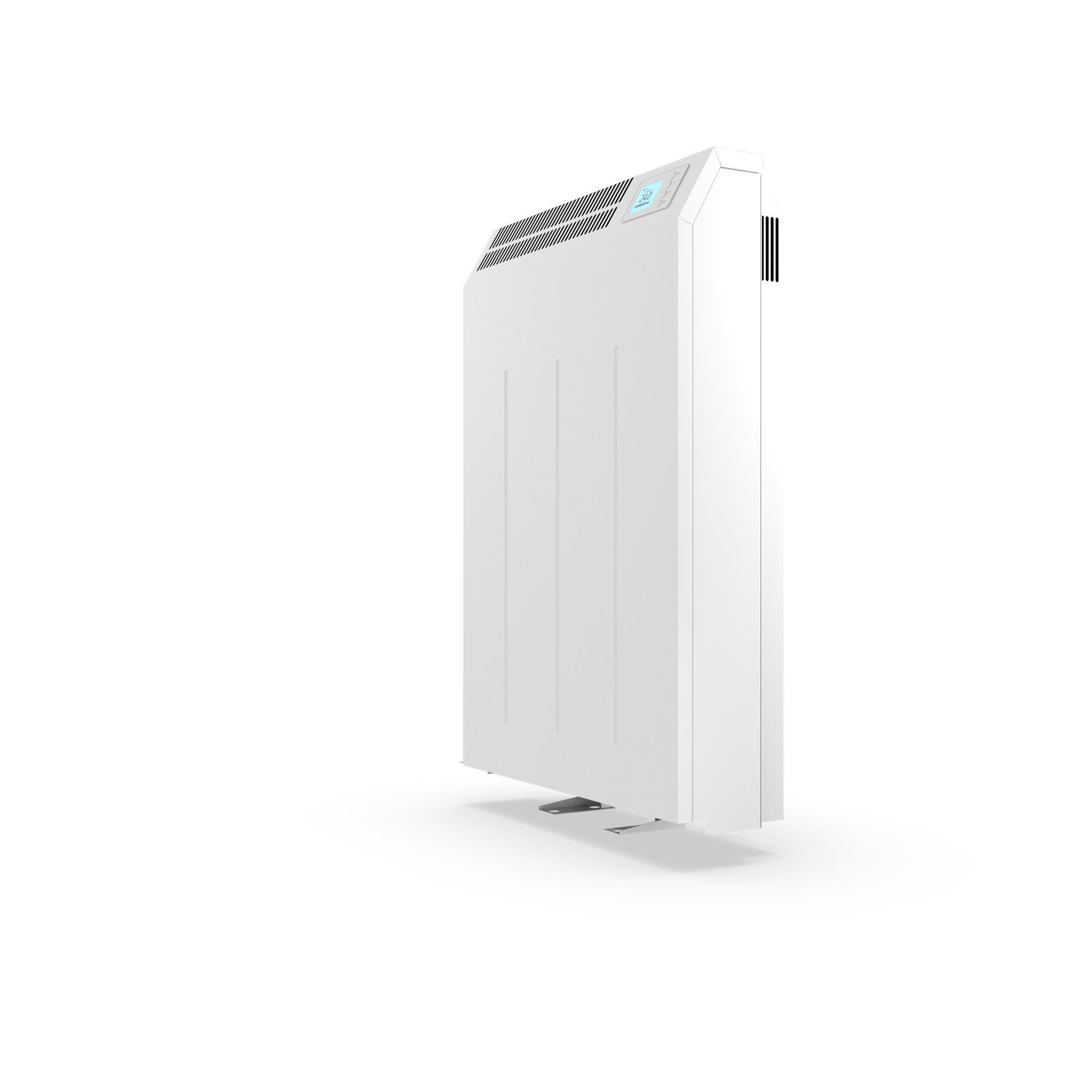
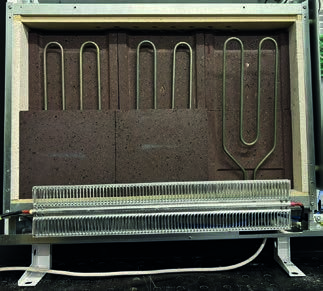
TECHNOTHERM TTB-E 7 Duo 26+ jsou výkonná elektrická akumulační kamna s ventilátorem pro středně velké až větší, pravidelně využívané obytné a pracovní místnosti. Tři akumulační topné články po 850 W nabíjejí šest balení akumulačních cihel. Plné jmenovité nabití uloží 20,4 kWh tepla pro pozdější řízené vytápění. Když zásoba nestačí okamžité potřebě místnosti, samostatné přídavné topení 750 W zajistí rychlé přitopení.
Provedení 7 Duo je určené tam, kde je nízký tarif, řízené napájení nebo plánované nabíjení z přebytků FVE soustředěné přibližně do 7–8 hodin. Uloží stejnou jmenovitou zásobu tepla jako odpovídající model 14 Duo 26+, ale díky vyššímu příkonu ji připraví přibližně za polovinu času. Elektrická instalace a způsob řízení proto musí počítat s příkonem akumulační části 2,55 kW.
Jak fungují
Elektřinu uloží jako teplo a předávají ji pod elektronickou kontrolou
Během povolené doby nabíjení zahřívá tři topné články po 850 W hutné keramické jádro. Elektronický termostat sleduje teplotu místnosti, stav nabití a aktivní program; adaptivní regulace určuje, kolik tepla je potřeba připravit pro další dobu používání. Zahřátý plášť sálá a vestavěný mimořádně tichý ventilátor pomáhá teplo řízeně rozvádět po místnosti. Aktuální katalog uvádí hlučnost ventilátoru přibližně 10 dB.
Na TFT ovládacím panelu lze volit ruční režim, týdenní program, Boost a vypnutí. Rozpoznání otevřeného okna reaguje na rychlý pokles teploty, aby se při větrání zbytečně netopilo. Aktuální katalog a návod popisují také internetové ovládání a aplikaci; potřebné rozhraní, služba a přesná konfigurace projektu se potvrzují při objednávce.
Plné jmenovité nabití za 7–8 hodin
Příkon 2,55 kW je vhodný pro soustředěné okno nízkého tarifu, řízeného napájení nebo plánovaných přebytků z FVE.
Jmenovitá zásoba tepla 20,4 kWh
Šest balení akumulačních cihel uchová velkou zásobu tepla pro pozdější vytápění, místo aby se topilo jen okamžitě.
Samostatné přídavné topení 750 W
Krátkodobou potřebu tepla lze pokrýt bez čekání na úplné nabití celého akumulačního jádra.
Adaptivní týdenní regulace
Čidlo teploty, ukazatel nabití a programovatelné teploty přizpůsobují nabíjení i předávání tepla skutečnému provozu.
Tiché kombinované vytápění
Sálání pláště doplňuje velmi tichý ventilátor, který pomáhá rozvést teplo rovnoměrně po místnosti.
Štíhlá skříň hluboká 18,5 cm
Zařízení široké 88,5 cm spojuje jmenovitou zásobu tepla 20,4 kWh s menšími prostorovými nároky než varianta 34+.
Ověřené technické údaje
Technické parametry TTB-E 7 Duo 26+
Označení modelu a obchodní rozměry vycházejí z anglického katalogu TECHNOTHERM 2026/27 dodaného dodavatelem. Údaje o nabíjení, bezpečnosti a montáži byly porovnány s aktuálním návodem výrobce MAG-000007, vydání 02/26. Návod uvádí mírně odlišné rozměry skříně a provozní hmotnost; pro průchodnost a statické posouzení proto do kontroly dokumentace dodané s konkrétním kusem počítejte s kombinací větších plánovacích hodnot uvedenou níže.
| Model | TTB-E 7 Duo 26+ |
|---|---|
| SKU / objednací číslo | 842526007 |
| Příkon akumulační části | 2,55 kW (3 × 850 W) |
| Přídavné topení | 750 W |
| Doba nabíjení | přibližně 7–8 hodin |
| Jmenovitá / maximální tepelná náplň | 20,4 / 23,2 kWh |
| Akumulační cihly | 6 balení |
| Orientační plocha místnosti | až přibližně 20 m²; ověřit výpočtem tepelné ztráty |
| Aktuální katalogové rozměry Š × V × H | 885 × 715 × 185 mm |
| Aktuální katalogová hmotnost | přibližně 124 kg |
| Plánovací hodnoty pro instalaci | podle aktuálního návodu počítat až s 885 × 720 × 185 mm a 127 kg |
| Napájení | 230 V, 1/N/PE, 50 Hz; pevné připojení |
| Třída ochrany | I |
| Povrch | bílý, odstín podobný RAL 9003 |
| Ovládání | TFT displej, ruční režim, týdenní program, adaptivní nabíjení, Boost, rozpoznání otevřeného okna a připojení k aplikaci |
| Instalace | stojanové provedení na patkách s povinným zajištěním proti převrácení ke stěně |
| Bezpečnostní norma výrobkové řady | EN 60335 |
7 Duo, nebo 14 Duo
Stejná velikost zásobníku, jiný elektrický odběrový profil
Varianta 7 Duo 26+ je vhodná, když se musí nabíjení dokončit v kratším 7–8hodinovém okně a elektrická instalace dokáže akumulační části dodat 2,55 kW. Varianta 14 Duo 26+ se hodí tam, kde se stejná jmenovitá zásoba tepla může nabíjet pozvolněji po dobu 14–16 hodin příkonem přibližně 1,44 kW. Ani jedna varianta není automaticky levnější; rozhodují tarifní časy, řízení FVE, tepelná ztráta a dostupný příkon.
Porovnejte celou kategorii akumulačních kamen a elektrických topidel s akumulací nebo si prohlédněte výrobky TECHNOTHERM vybrané WodaTherm™.
Dimenzování a energetický plán
Rozhoduje tepelná ztráta, ne pouze počet metrů čtverečních
Přibližných 20 m² uvedených v návodu je jen první orientační údaj. WodaTherm™ před potvrzením modelu prověří tepelnou ztrátu, izolaci, požadovanou teplotu, použitelnou dobu nabíjení, tarif nebo řízení FVE a dostupný elektrický příkon. Akumulační kamna je potřeba navrhnout jako řiditelnou tepelnou zátěž v energetickém systému budovy.
Instalace a dodání
Předem naplánujte podlahu, kotvení, elektrické připojení i odstupy
Zařízení stojí na patkách. Zadní kotvení slouží proti převrácení a nepřenáší celou hmotnost kamen do stěny. Podlaha musí být rovná a dostatečně únosná. Návod požaduje nejméně 2 cm od stěny, 15 cm pod zděným nebo 20 cm pod hořlavým parapetem, 3 cm mezi dvěma kamny a 50 cm volného prostoru před výdechem teplého vzduchu. Závěsy, nábytek a hořlavé předměty musí zůstat mimo předepsané odstupy.
Pevné připojení 230 V, ochranný vodič, všepólové odpojení, jištění a řízení nabíjení musí provést odborná elektrotechnická firma. Zařízení se dodává bez přívodního kabelu. Akumulační cihly se vkládají při montáži a první nabití musí odborník sledovat a zkontrolovat. Zařízení se nesmí zakrývat.
Skladem. WodaTherm™ s objednávkou potvrdí přístup a termín dodání. Elektroinstalace, stavební práce, zvláštní stěhování uvnitř objektu a externí prvky energetického řízení jsou součástí pouze tehdy, pokud jsou výslovně uvedené v nabídce.
Dokumentace
Montážní a provozní návod uložený u WodaTherm™
Stáhnout montážní a provozní návod TTB-E Duo
Návod obsahuje závazné pokyny k bezpečnosti, montáži, zapojení, odstupům, prvnímu nabití, ovládání a údržbě. Pro instalaci a uvedení do provozu má přednost dokumentace dodaná s konkrétním vyrobeným kusem.