




Popis
Elektrická akumulační kamna · nabíjení 14–16 hodin · přídavné topení 750 W
Uložte levnější elektřinu nebo přebytky z FVE do příjemného tepla
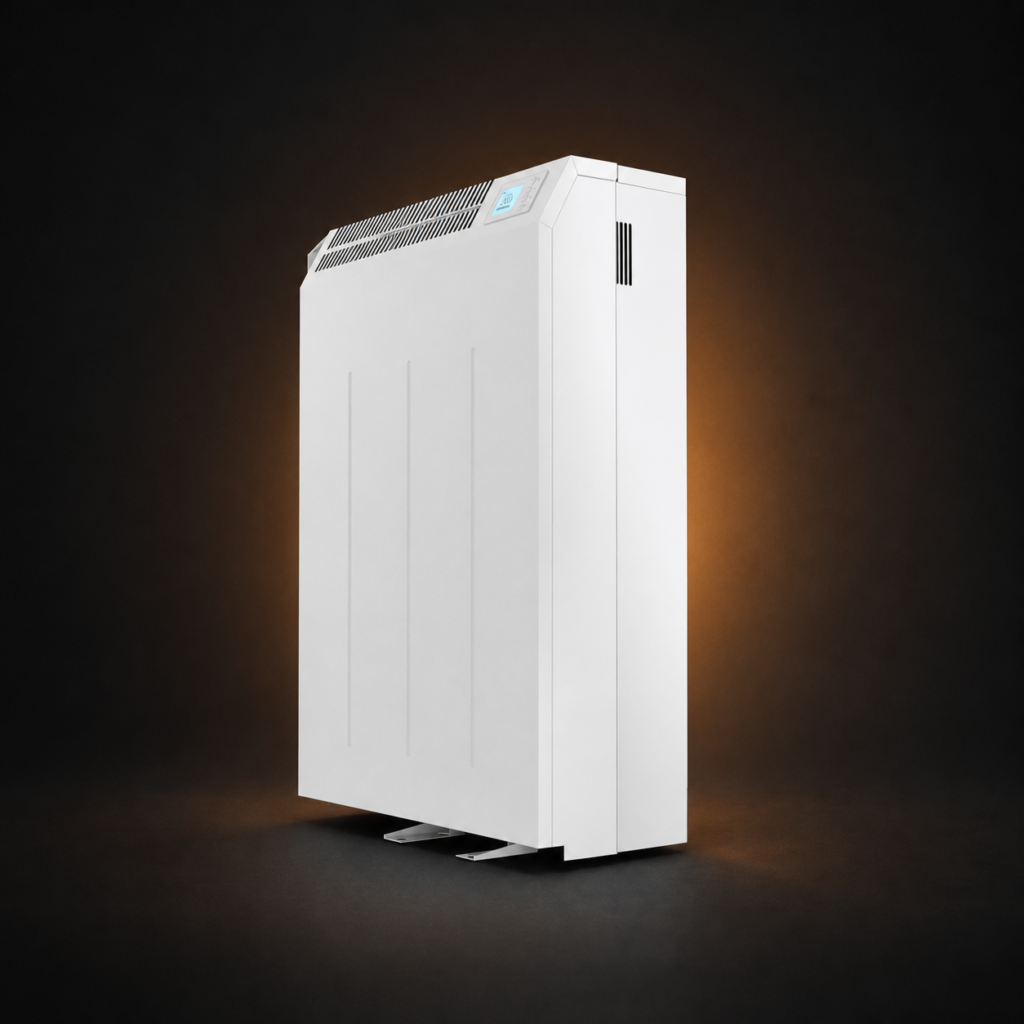
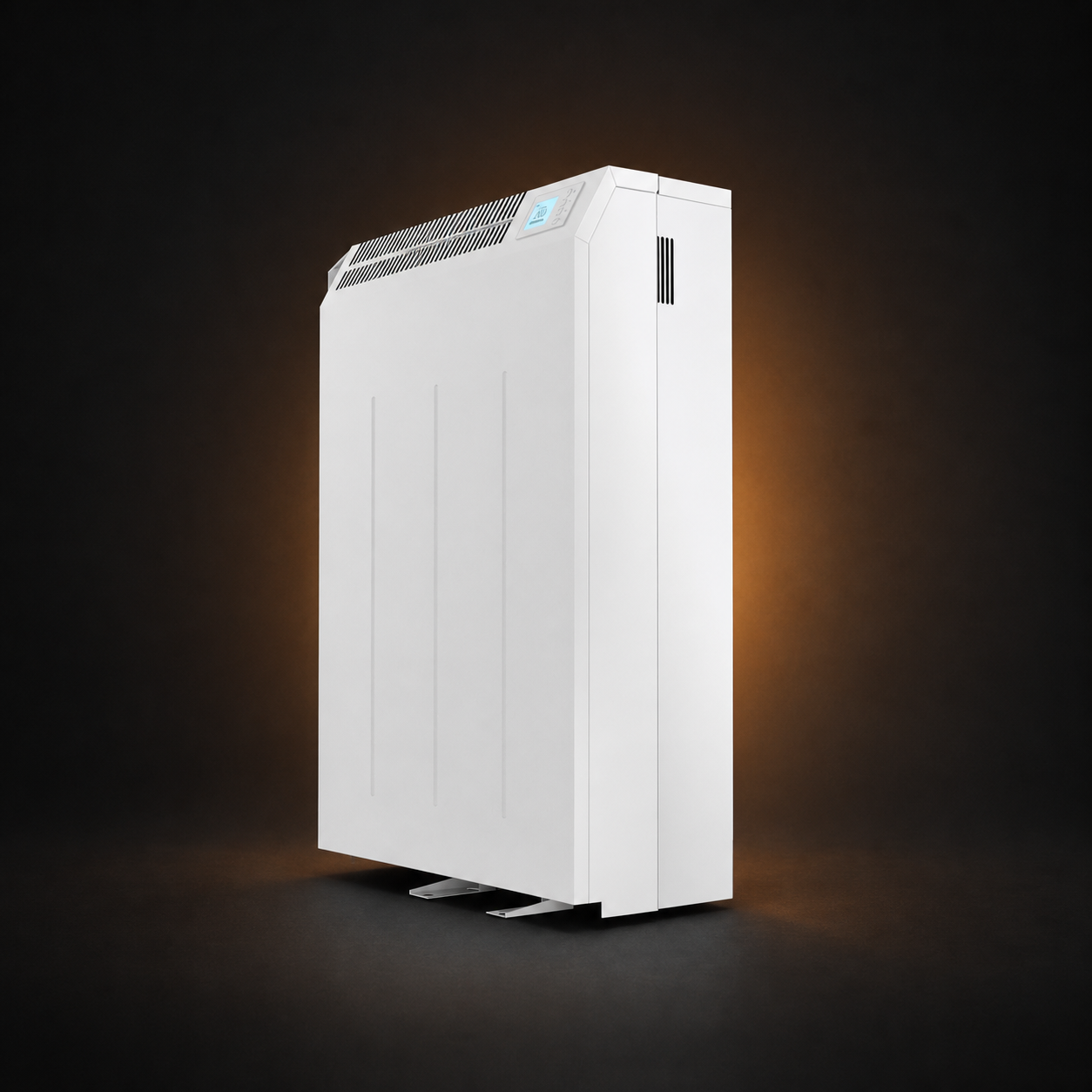
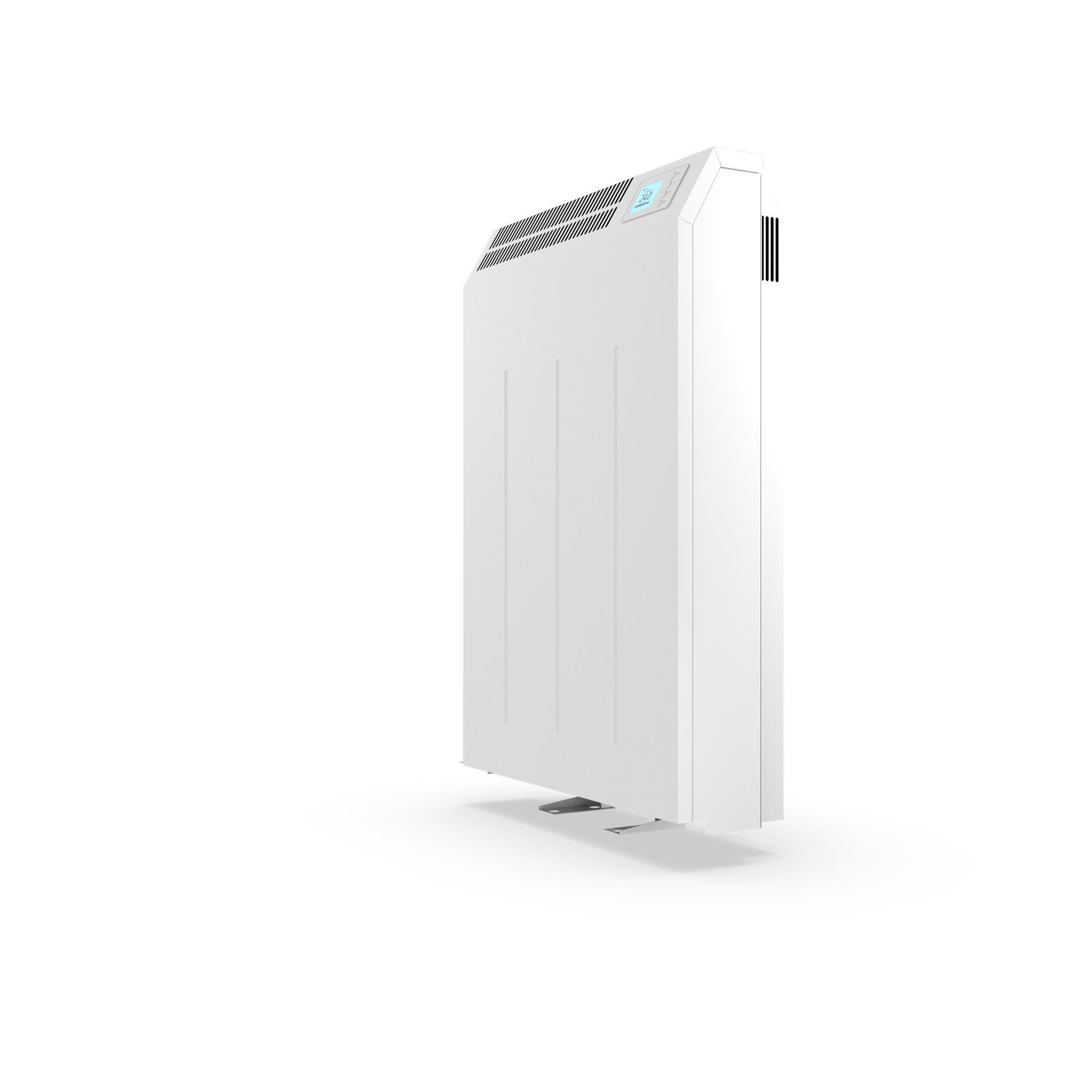
TECHNOTHERM TTB-E 14 Duo 34+ jsou moderní elektrická akumulační kamna s tichým ventilátorem pro obytné místnosti, kanceláře a další pravidelně vytápěné prostory. Osm balení akumulačních cihel se v dlouhém 14–16hodinovém okně nabíjí příkonem 1,92 kW. Uložené teplo se potom uvolňuje podle potřeby místnosti a samostatné přídavné topení 750 W pokryje krátkodobou špičku.
Jde o pevně připojené topidlo, nikoli o přenosný elektrický přímotop. Uplatní se především tam, kde má vytápění využít nízký tarif, proměnlivé ceny elektřiny nebo řízené přebytky z fotovoltaiky. Elektronická regulace sleduje teplotu v místnosti, řídí nabíjení a umožňuje denní i týdenní program.
Jak fungují
Postupné nabíjení a teplo ve chvíli, kdy je místnost potřebuje
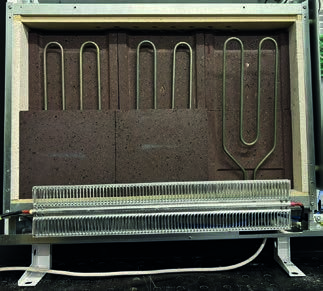
Během povolené doby nabíjení ohřívají elektrická topná tělesa akumulační cihly v izolované skříni. Adaptivní regulace zohledňuje nastavenou teplotu a množství tepla potřebné pro následující program. Velmi tichý vestavěný ventilátor pomáhá předávat teplo z jádra do místnosti a ohřátý plášť současně sálá. Výrobce v katalogu uvádí hlučnost ventilátoru přibližně 10 dB.
Dlouhé nabíjecí okno odlišuje variantu 14 Duo od provedení 7 Duo. Model 14 Duo 34+ nabíjí stejnou velikost akumulační skříně 34+ po delší dobu nižším příkonem 1,92 kW. Hodí se proto pro dlouhé povolení nízkého tarifu, plynulé využití přebytků z FVE nebo pro projekt se záměrně omezeným okamžitým odběrem. Samostatné topení 750 W zůstává připravené pro rychlé přitopení.
Dlouhé nabíjení 14–16 hodin
Rozkládá odběr do více hodin a proti variantě 7 Duo 34+ snižuje okamžitý příkon akumulační části.
Připraveno pro FVE a proměnlivé tarify
Lze zapojit do projektu využívajícího přebytky z fotovoltaiky, levnější tarifní okno nebo kontakt energetického řízení.
Adaptivní elektronická regulace
Ukazatel nabití, řízení teploty a denní či týdenní program pomáhají přizpůsobit zásobu tepla skutečnému provozu.
Rozpoznání otevřeného okna
Regulace zachytí rychlý pokles teploty a zabrání zbytečnému vytápění při větrání.
Tiché a řízené předávání tepla
Sálání a mimořádně tichý ventilátor rozvádějí teplo bez hluku běžného výkonného teplovzdušného topidla.
Hloubka jen 18,5 cm
Štíhlé stojanové provedení umístí značnou akumulační hmotu těsně ke stěně a zbytečně neubírá prostor.
Ověřené technické údaje
Technické parametry TTB-E 14 Duo 34+
Údaje vycházejí z aktuálního anglického katalogu TECHNOTHERM 2026/27, aktuálního montážního návodu TTB-E Duo a faktury výrobce pro objednaný model. Doporučená plocha je pouze první orientace; rozhoduje výpočet tepelné ztráty budovy a skutečně dostupná doba nabíjení.
| Model | TTB-E 14 Duo 34+ |
|---|---|
| SKU / objednací číslo | 842534014 |
| Příkon akumulační části | 1,92 kW |
| Přídavné topení | 750 W |
| Doba nabíjení | 14–16 hodin |
| Jmenovitá / maximální tepelná náplň | 27,2 / 30,9 kWh |
| Akumulační cihly | 8 balení |
| Orientační plocha místnosti | až přibližně 26 m²; ověřit výpočtem tepelné ztráty |
| Rozměry Š × V × H | 1095 × 715 × 185 mm |
| Přibližná provozní hmotnost | 162 kg |
| Napájení | 230 V, 1/N/PE, 50 Hz; pevné připojení |
| Třída ochrany | I |
| Povrch | bílý, odstín podobný RAL 9003 |
| Ovládání | TFT displej, adaptivní nabíjení, ruční režim, týdenní program, režim Boost a připojení k aplikaci |
| Instalace | stojanové provedení na patkách s povinným zajištěním proti převrácení ke stěně |
| Bezpečnostní norma | EN 60335; výrobková řada s označením CE |
Regulace a pohodlí
Teplo podle týdenního programu
Barevný displej zobrazuje nastavenou teplotu a stav nabití. Regulace nabízí ruční provoz, týdenní plán, režim Boost a vypnutí. Rozpoznání otevřeného okna reaguje na rychlý pokles teploty a adaptivní řízení pomáhá připravit potřebnou zásobu tepla bez slepého nabíjení po celou povolenou dobu.
Připojení k aplikaci umožní vzdálený přístup, pokud je součástí projektu potřebné rozhraní TECHNOTHERM a odpovídající konfigurace. Přesný rozsah řízení se potvrzuje s objednávkou, protože rozhraní a externí prvky energetického managementu jsou součástí dodávky jen tehdy, jsou-li výslovně uvedeny.
Fotovoltaika a dynamické ceny
Řiditelná tepelná zátěž budovy
Vytápění patří často k největším energetickým potřebám budovy. Nabíjení akumulačního jádra během výhodného tarifu nebo při dostupném přebytku z FVE ukládá elektřinu přímo jako využitelné teplo. Baterie tak může dál napájet elektrické spotřebiče, zatímco akumulační kamna pokrývají plánovanou tepelnou potřebu.
Správné dimenzování je důležitější než obecná hodnota v metrech čtverečních. WodaTherm™ před potvrzením modelu prověří tepelnou ztrátu, izolaci, požadovanou teplotu, dobu nabíjení, elektrický příkon a způsob řízení.
Instalace a dodání
Těžké zařízení, jehož umístění a připojení je nutné připravit předem
TTB-E 14 Duo 34+ jsou stojanová akumulační kamna; akumulační cihly se vkládají při montáži. Hotové zařízení váží přibližně 162 kg. Podlaha musí být rovná a dostatečně únosná a dodané zajištění proti převrácení musí být ukotveno do vhodné stěny. Je nutné dodržet předepsané odstupy od nábytku, závěsů a hořlavých materiálů.
Pevné připojení 230 V, ochranný vodič, odpojování, jištění a řídicí vedení musí provést kvalifikovaný elektrikář. První nabití a uvedení do provozu musí odborník zkontrolovat podle aktuálního návodu.
Skladem. Kvůli hmotnosti a samostatným balením cihel potvrdí WodaTherm™ s objednávkou přístup, vykládku a termín dodání. Elektroinstalace, stavební práce, zvláštní stěhování uvnitř objektu a externí prvky energetického řízení jsou zahrnuty pouze tehdy, pokud jsou výslovně uvedeny v nabídce.
Dokumentace
Montážní a provozní návod uložený u WodaTherm™
Stáhnout montážní a provozní návod TTB-E Duo
Návod obsahuje závazné pokyny k montáži, zapojení, bezpečným odstupům, prvnímu nabití a obsluze. Vždy je rozhodující dokumentace dodaná s konkrétním vyrobeným kusem.