


Description
Electrical energy storage · 51.2 V LFP platform
LFP battery storage for photovoltaic surplus and later use
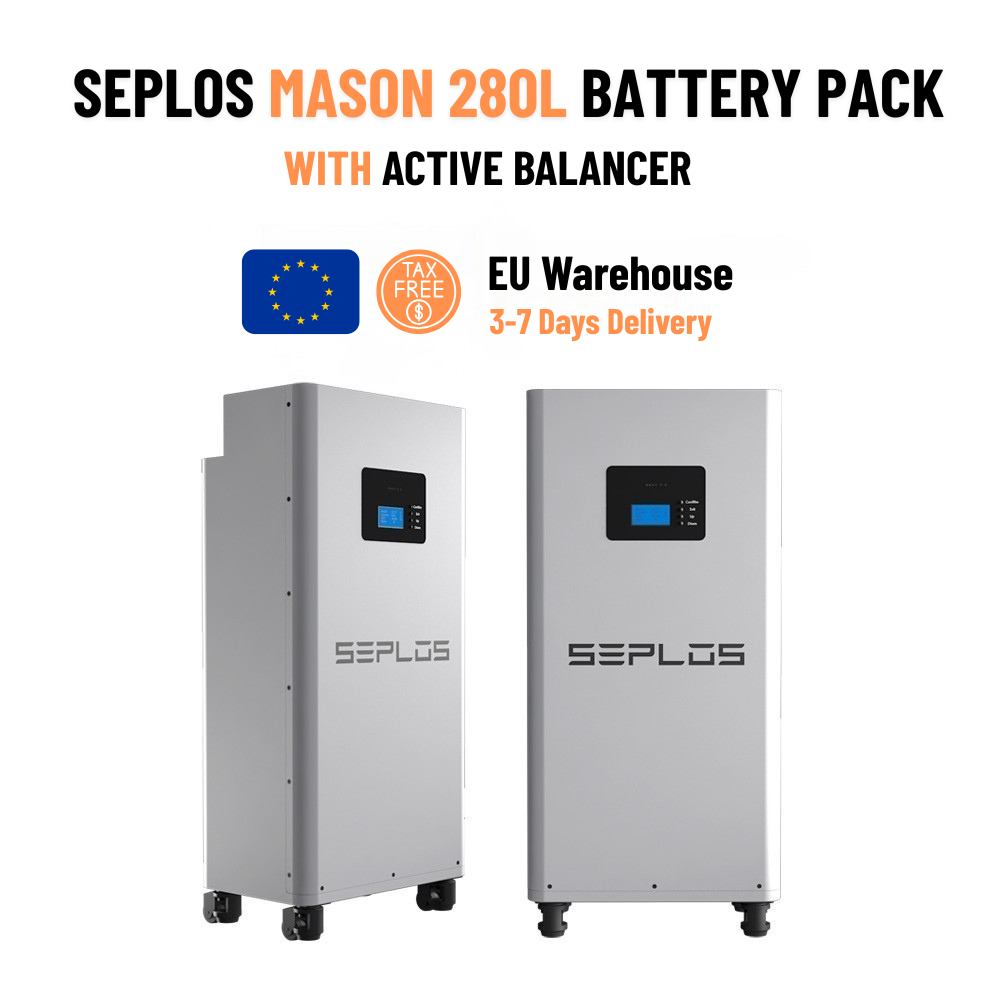
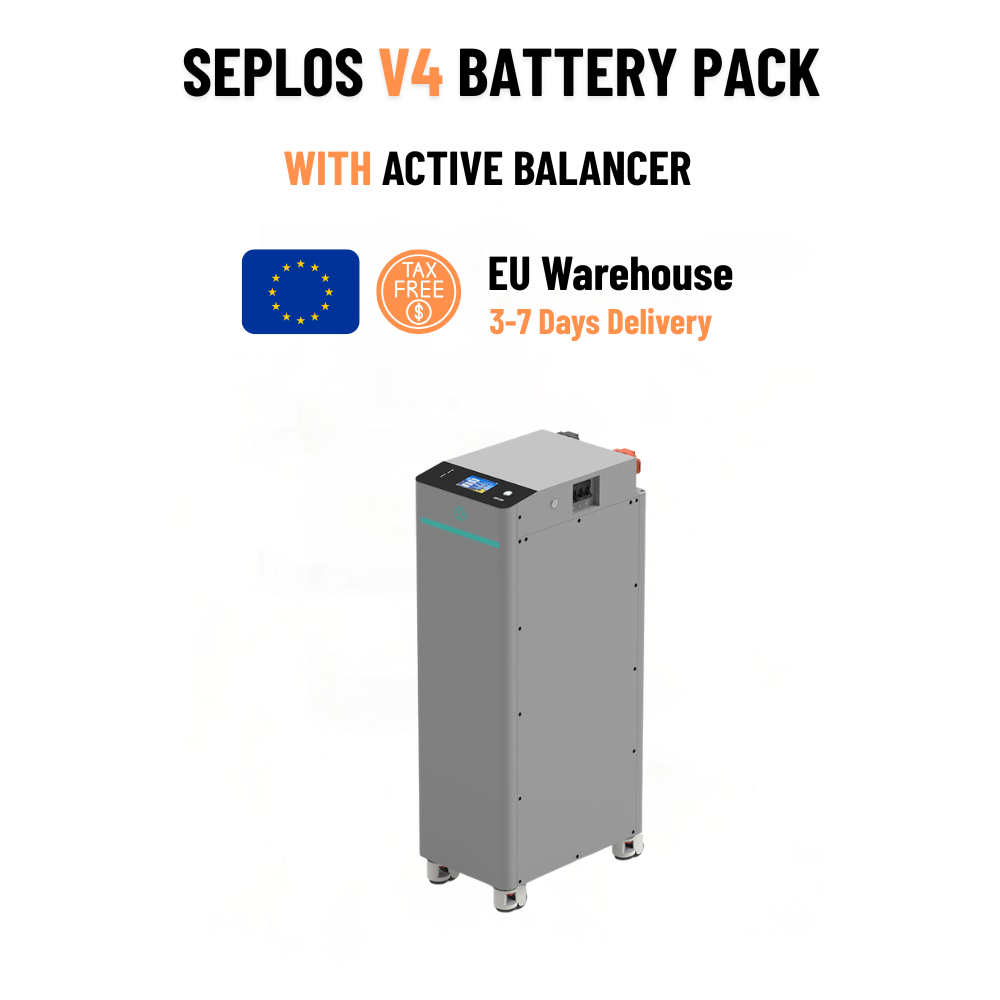
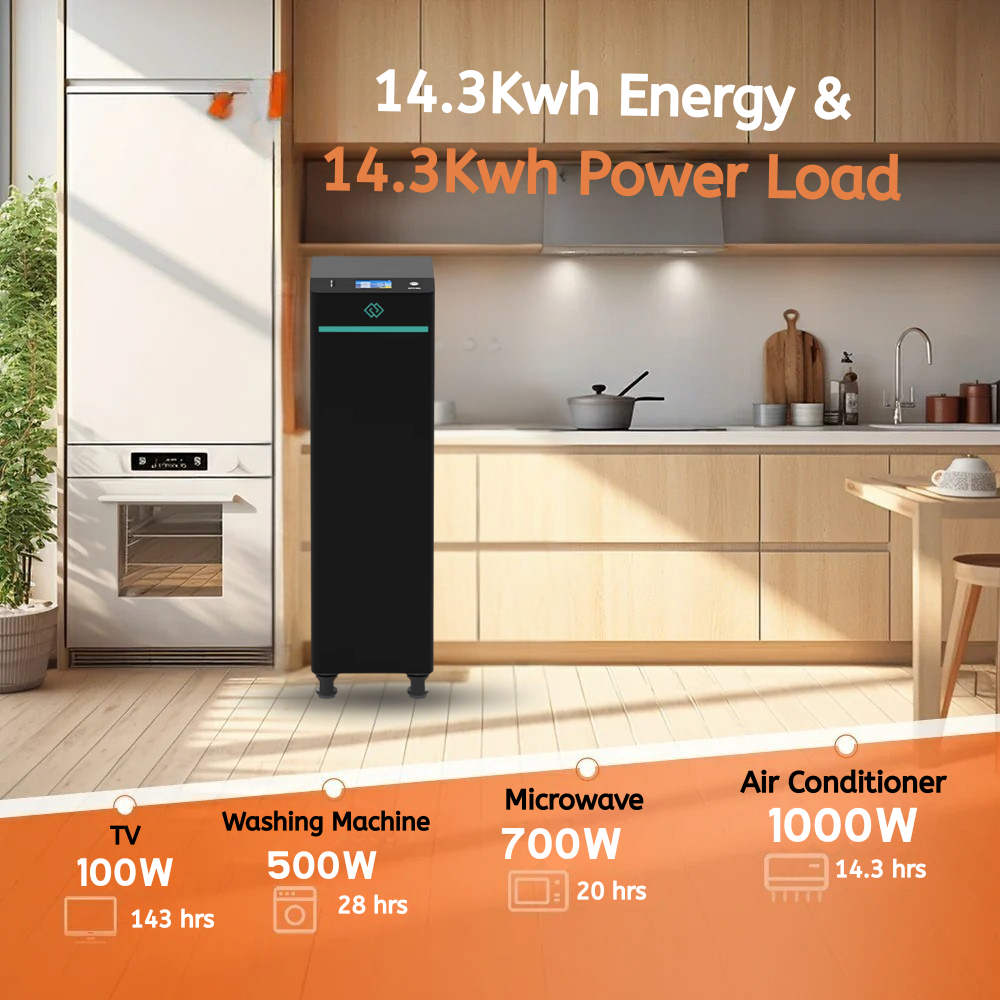
SEPLOS V4 Silver is a 14.336 kWh low-voltage battery for photovoltaic surplus, controlled self-consumption, backup-ready system designs and selected off-grid applications. The upright silver residential cabinet determines where the pack can be installed, while SEPLOS V4 BMS balancing supports consistent cell operation.
Before dispatch, WodaTherm confirms inverter compatibility, charge and discharge limits, communication cable, transport and commissioning requirements. This check connects the battery to the actual electrical system instead of treating capacity as the only buying criterion.
Why this storage class
Designed around the real daily energy flow
Photovoltaic production and electricity demand rarely peak at the same time. Solar modules often produce most strongly around midday, while cooking, hot water, computing, workshop equipment and evening household loads arrive later. A battery shifts part of that production in time. It cannot create energy and it does not remove the need for correct system design, but it can materially increase the share of locally generated electricity that is used on site.
The useful capacity is selected from measured consumption, PV production, expected reserve, inverter power and the desired depth of discharge—not simply from the largest number on the catalogue card. SEPLOS V4 Silver is particularly suitable for technical rooms where a neutral metallic finish and compact upright installation are desirable. If the project later grows, expansion may be possible, but identical battery type, state of charge, firmware and cable geometry matter. Parallel connection is a commissioning task, not a casual plug-in accessory.
Useful solar energy after sunset
Stores daytime photovoltaic surplus so that household or business loads can draw on it later instead of exporting every available kilowatt-hour immediately.
LFP chemistry
Lithium iron phosphate is selected for stationary storage because it combines robust thermal behaviour, high cycle potential and a stable operating profile.
Integrated battery management
The BMS supervises cell voltage, current and temperature and can stop charging or discharging when an unsafe operating limit is reached.
Expandable system concept
Compatible packs can be connected in parallel when the project requires more energy, subject to identical model, firmware and commissioning conditions.
Low-voltage inverter platform
The 51.2 V class is used by a broad family of hybrid, off-grid and battery inverters, but protocol support must be confirmed for the exact device.
Clear procurement path
The displayed configuration can be ordered now; WodaTherm confirms transport, inverter protocol, cables and commissioning requirements before dispatch.
How it works
Cells, BMS, balancing and inverter communication
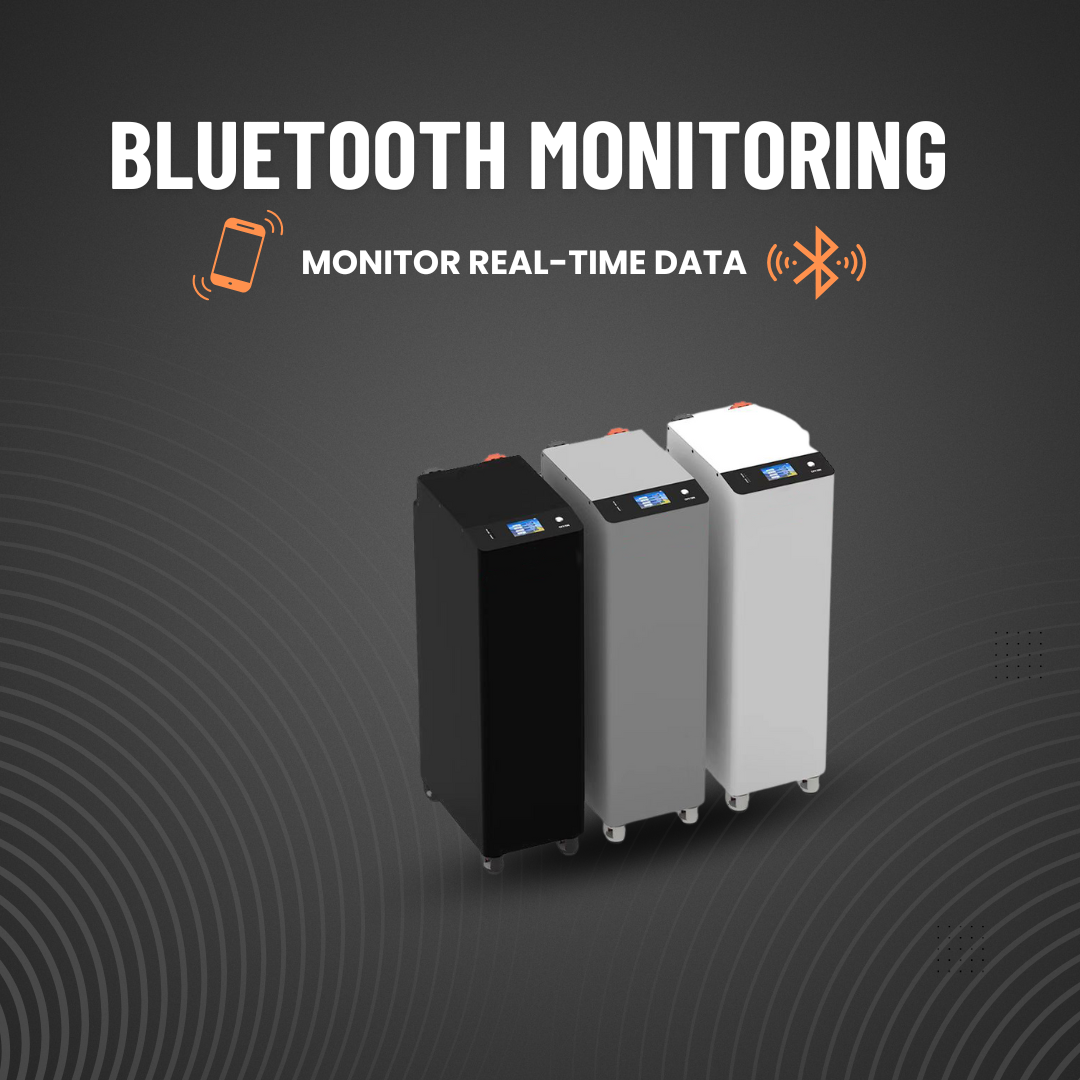
The LFP cells form a nominal 51.2 V pack. During charging, the battery-management system follows individual cell voltages, pack current and temperature. During discharge, it applies the same supervision in the opposite direction. The BMS can signal the inverter through CAN or RS485 when a supported communication profile is selected. This allows the inverter to respect battery limits more accurately than a voltage-only configuration.
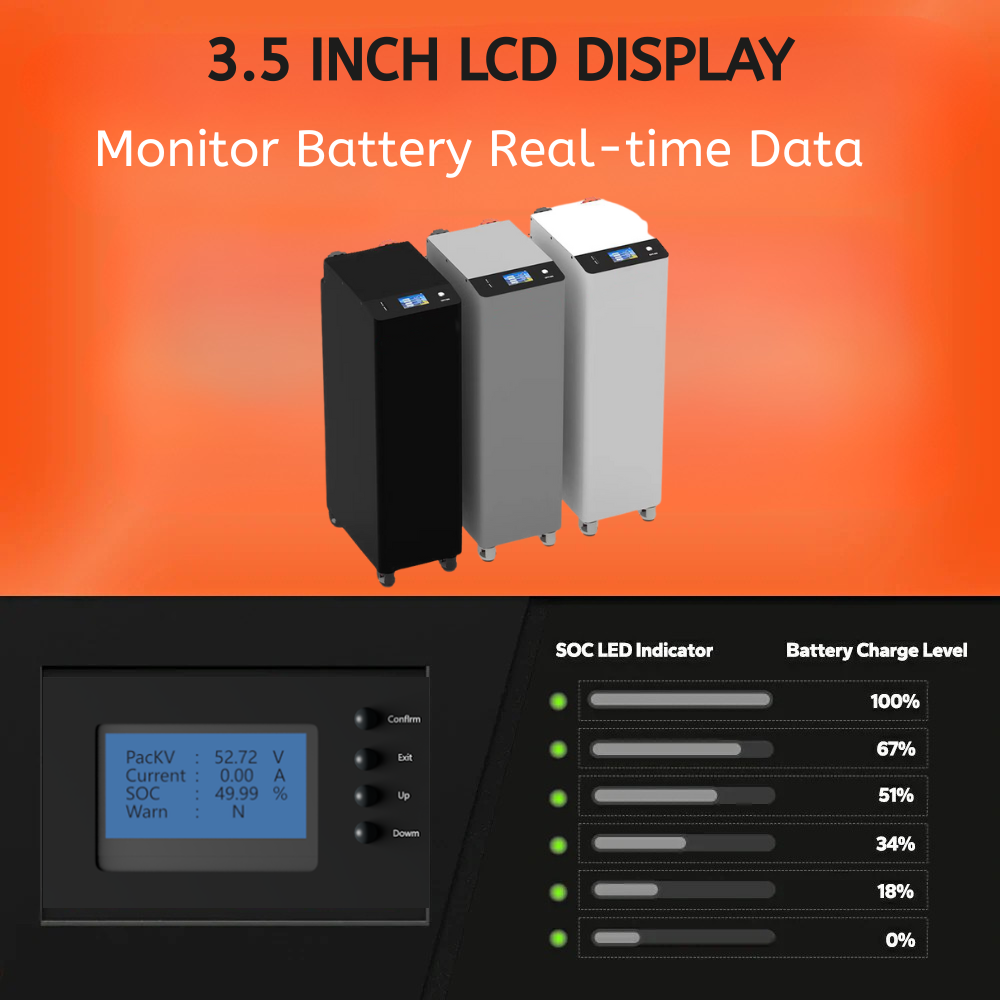
SEPLOS V4 BMS balancing helps reduce the difference between cells as the pack charges. Balancing is not a substitute for quality cells or correct commissioning; it is an additional control layer that supports the pack over repeated cycles. The enclosure, service disconnect, terminals, display and communication connectors then turn the cell assembly into a product that can be integrated into a professional electrical installation.
For backup operation, the inverter and distribution design determine which circuits remain powered. The battery alone does not create an emergency supply. A compatible hybrid or battery inverter, approved switching arrangement and correctly separated backup circuits are required. Available output power is also limited by the battery current, inverter rating, temperature and state of charge. WodaTherm checks these boundaries before confirming a complete system proposal.
Technical data
Technical data for SEPLOS V4 Silver
The table below lists the principal values for this battery. Similar SEPLOS cabinets can differ in cell type, BMS firmware, connectors or supplied accessories. The order confirmation therefore records the cell type, communication cable and inverter profile. Values that depend on the supplied hardware are marked for confirmation rather than guessed.
| Nominal energy | 14.336 kWh |
|---|---|
| Nominal voltage | 51.2 V |
| Cell capacity | 280 Ah |
| Cell arrangement | 1P16S |
| Cabinet finish | Silver |
| BMS generation | SEPLOS V4 platform |
| Current limits | Confirm against final V4 BMS configuration |
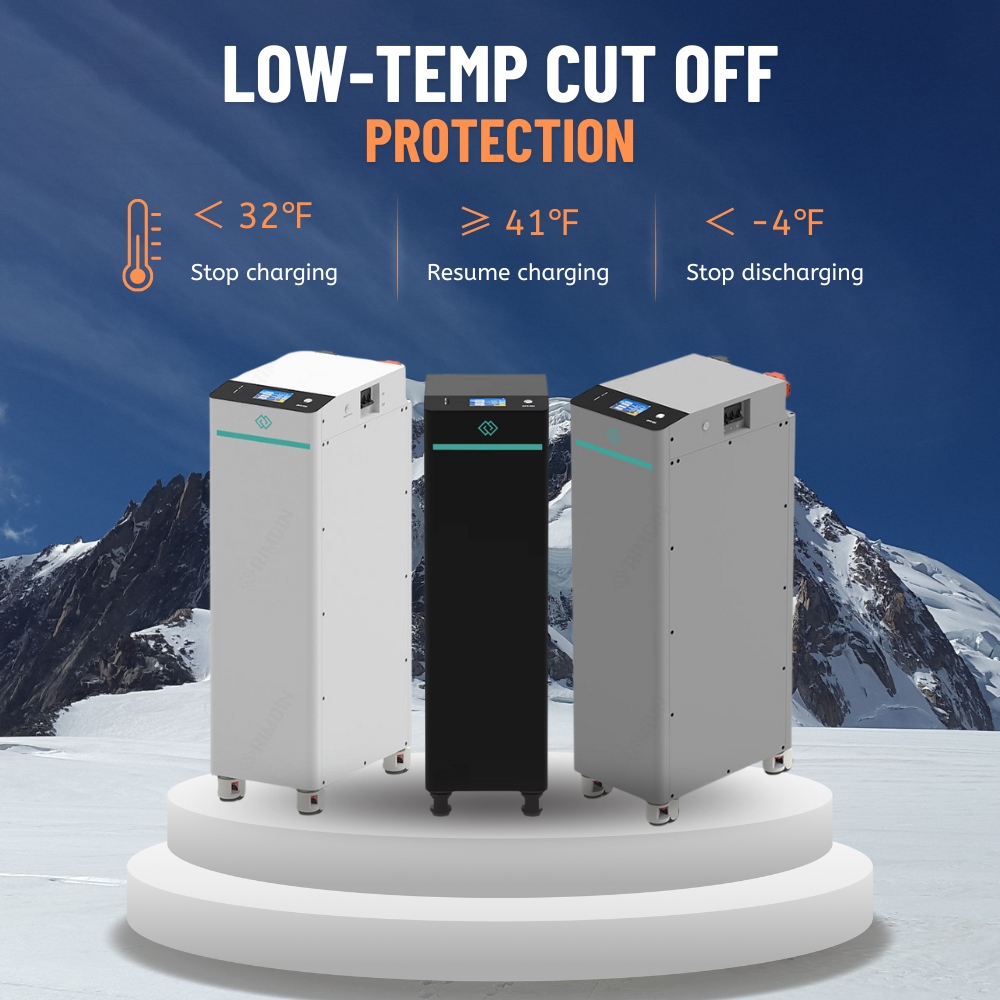
| Temperature limits | Confirm against supplied product label and manual |
| Dimensions and weight | Confirmed on the selected V4 production revision |
| Cycle reference | LFP cycle performance depends on temperature, current and depth of discharge |
| Chemistry | Lithium iron phosphate (LiFePO4 / LFP) |
| Communication | CAN and RS485; exact inverter protocol selected during commissioning |
| Application | Stationary PV self-consumption, compatible backup and selected off-grid systems |
| Parallel operation | Only identical compatible packs; pack count and firmware to be confirmed |
| Installation environment | Dry, ventilated technical space on a stable non-combustible surface |
| Commissioning requirement | Qualified electrical installer; inverter and BMS settings verified before operation |
System design
Inverter and BMS compatibility
CAN or RS485 on the label does not guarantee that every inverter will understand the battery. The protocol selected in the BMS must match the inverter family and firmware. The communication lead must use the expected pinout; a normal-looking RJ45 lead can still be wired incorrectly. Before dispatch, WodaTherm asks for the inverter manufacturer and model, firmware where available, number of packs and intended operating mode.
Victron, Deye, Growatt and other low-voltage platforms are commonly associated with SEPLOS systems, but compatibility is confirmed per project. Charge current is then set for the number of parallel packs, conductor size, fuse or breaker rating and the manufacturer limits. A conservative configuration often provides a better balance of performance, temperature and cycle life than permanently operating at a catalogue maximum.
Sizing
Capacity and power are different decisions
Kilowatt-hours describe stored energy; kilowatts describe how quickly energy can be delivered. A large battery connected to a small inverter can run moderate loads for a long time but cannot suddenly supply every appliance in the building. Conversely, a powerful inverter with insufficient battery current may be restricted by the BMS. Both sides must be sized together.
For a useful proposal, prepare a recent electricity profile, PV size and orientation, inverter details, essential backup loads and expected future additions such as an EV charger or heat pump. This lets WodaTherm estimate daily cycling, reserve and expansion instead of selecting capacity from an annual consumption total alone.
Installation and safety
Professional commissioning protects the product and the building
The battery must stand on a stable, non-combustible surface in a dry and ventilated technical space that remains within the permitted temperature range. The installation must leave service access around the enclosure and protect terminals and cables from mechanical damage. The unit is heavy; transport planning, lifting aids and floor loading should be considered before delivery, not after the pallet arrives.
DC conductors, over-current protection, disconnects, earthing and inverter settings must follow the manuals and local electrical rules. Packs connected in parallel should be the same model and firmware and should be brought to the required state of charge before interconnection. Never mix battery brands or capacities on the same unmanaged DC bus. Commissioning should record pack voltage, cell spread, temperature, communication status and charge limits.
LFP chemistry is robust, but no battery is risk-free. Do not install a damaged unit, bypass the BMS or open the cell enclosure without manufacturer-approved procedure. If the product has been dropped, shows deformation, emits an unusual smell or reports a persistent fault, isolate it safely and obtain technical support. Product installation is reserved for a qualified electrical professional.
Ordering and delivery
What happens after the order
The online order reserves the offered product and price. WodaTherm then confirms stock or backorder status, destination, pallet transport, access conditions and the exact inverter interface. Backorder accepted; estimated delivery 2–4 weeks. is the current planning statement, not a promise that ignores supplier or freight changes. If the confirmed delivery differs materially, the customer receives the information before fulfilment proceeds.
The battery pack and manufacturer-supplied internal equipment are included as stated in the final order confirmation. External DC cables, communication cable, inverter, protection equipment, mounting hardware, installation work and commissioning are not assumed unless they are listed explicitly. This avoids the common mistake of comparing a bare battery price with a fully installed storage system.
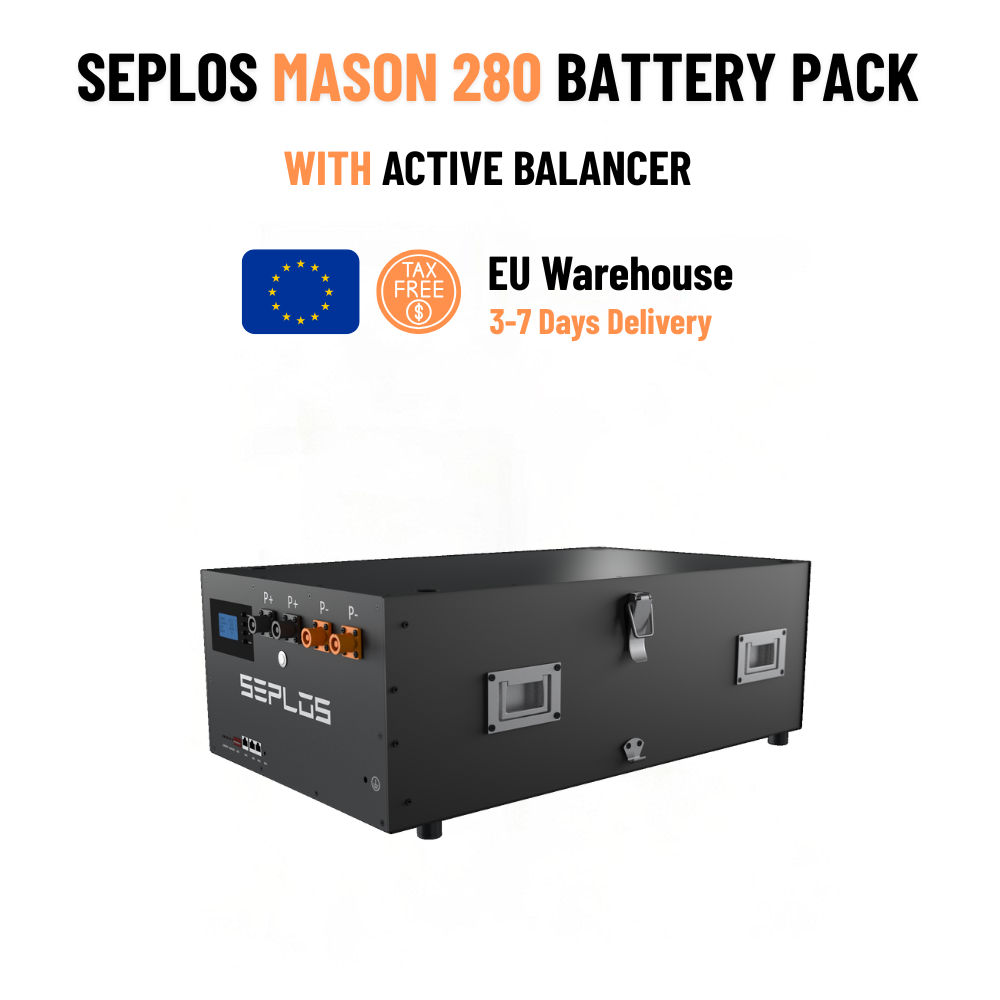
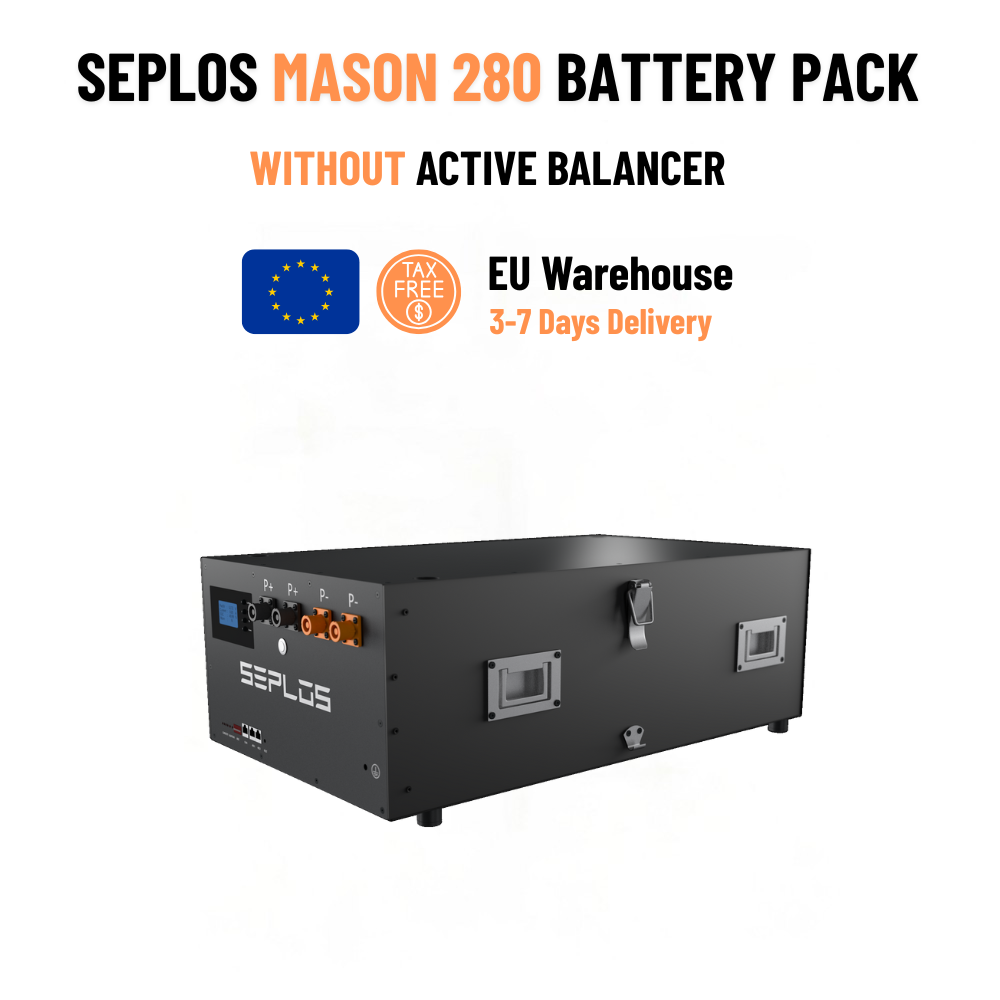
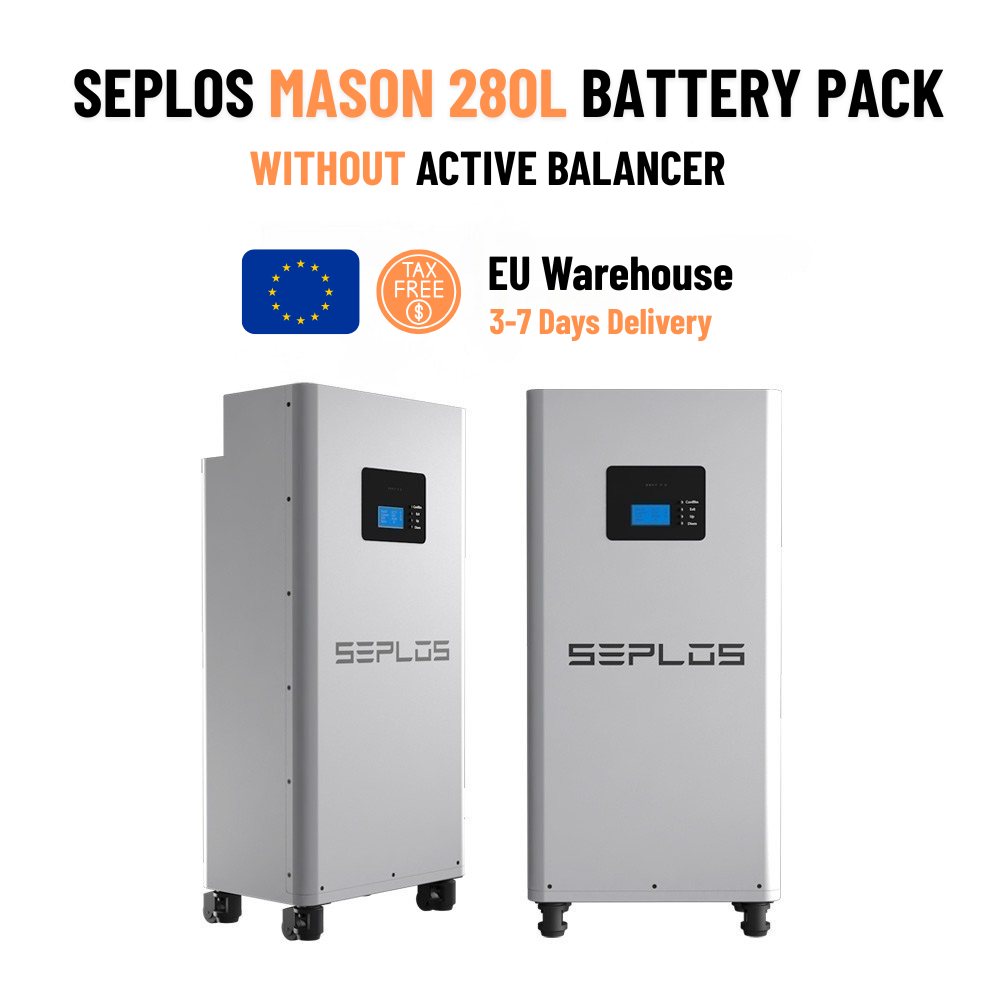
Warranty conditions follow the manufacturer and confirmed supply channel. Because distributor pages can show different commercial warranty periods, WodaTherm records the applicable conditions with the order instead of publishing an unsupported blanket promise. Photographs show the relevant model family; connector position, display, castors, handle, colour or accessory details may vary with the confirmed revision.
Verified references
Product and technical sources
European product listing · Manufacturer technical documentation
WodaTherm writes its own product explanation from manufacturer documentation and information published by the European distributor. Source pages are provided for traceability; their delivery statements and prices can change independently of this shop.